
 Tshirt
 Custom Hoodie & Sweat
 Custom Bags
 Flag
Flag
 Towel
Towel
 Custom Scarf
 Cap
Cap

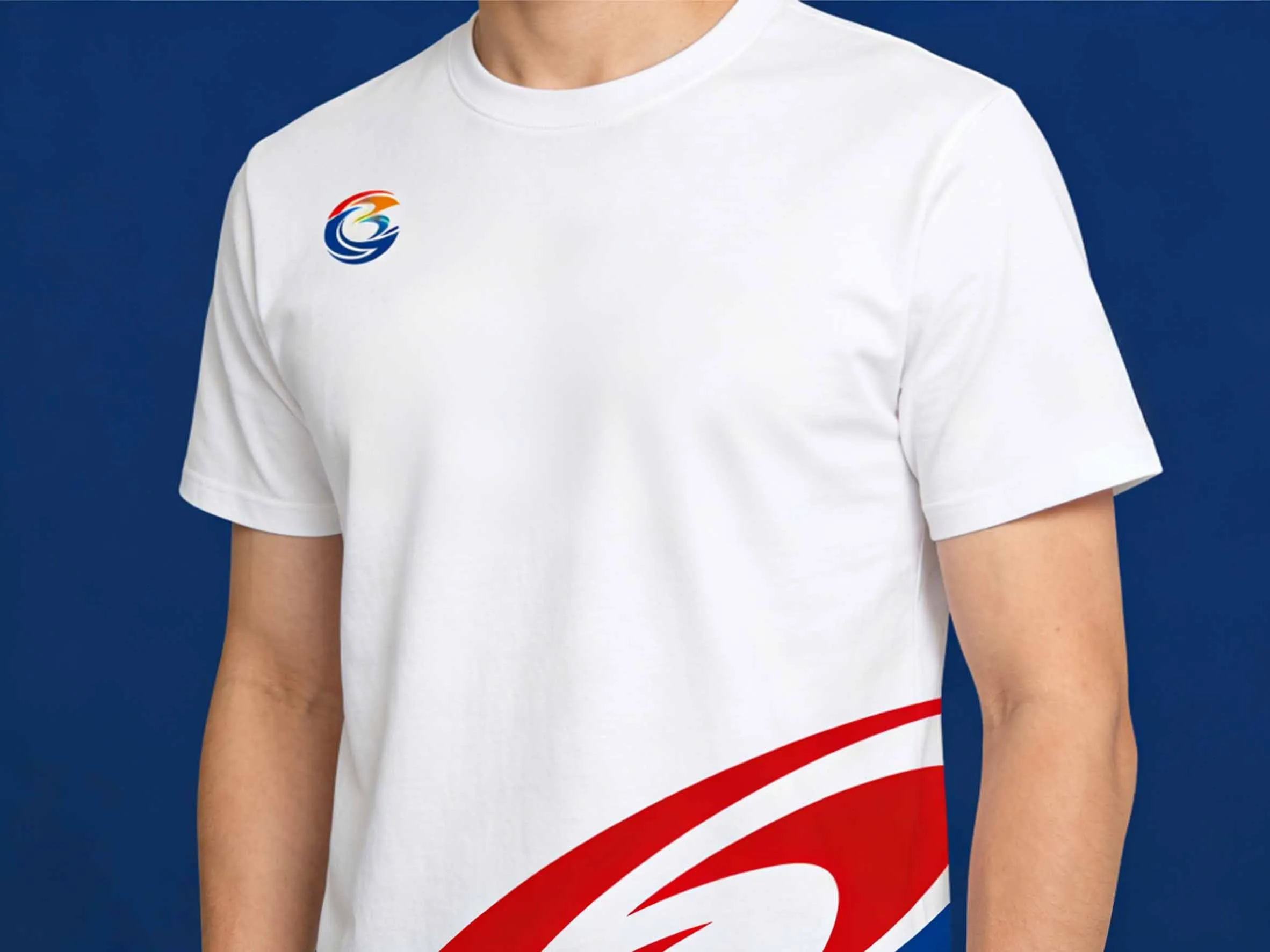
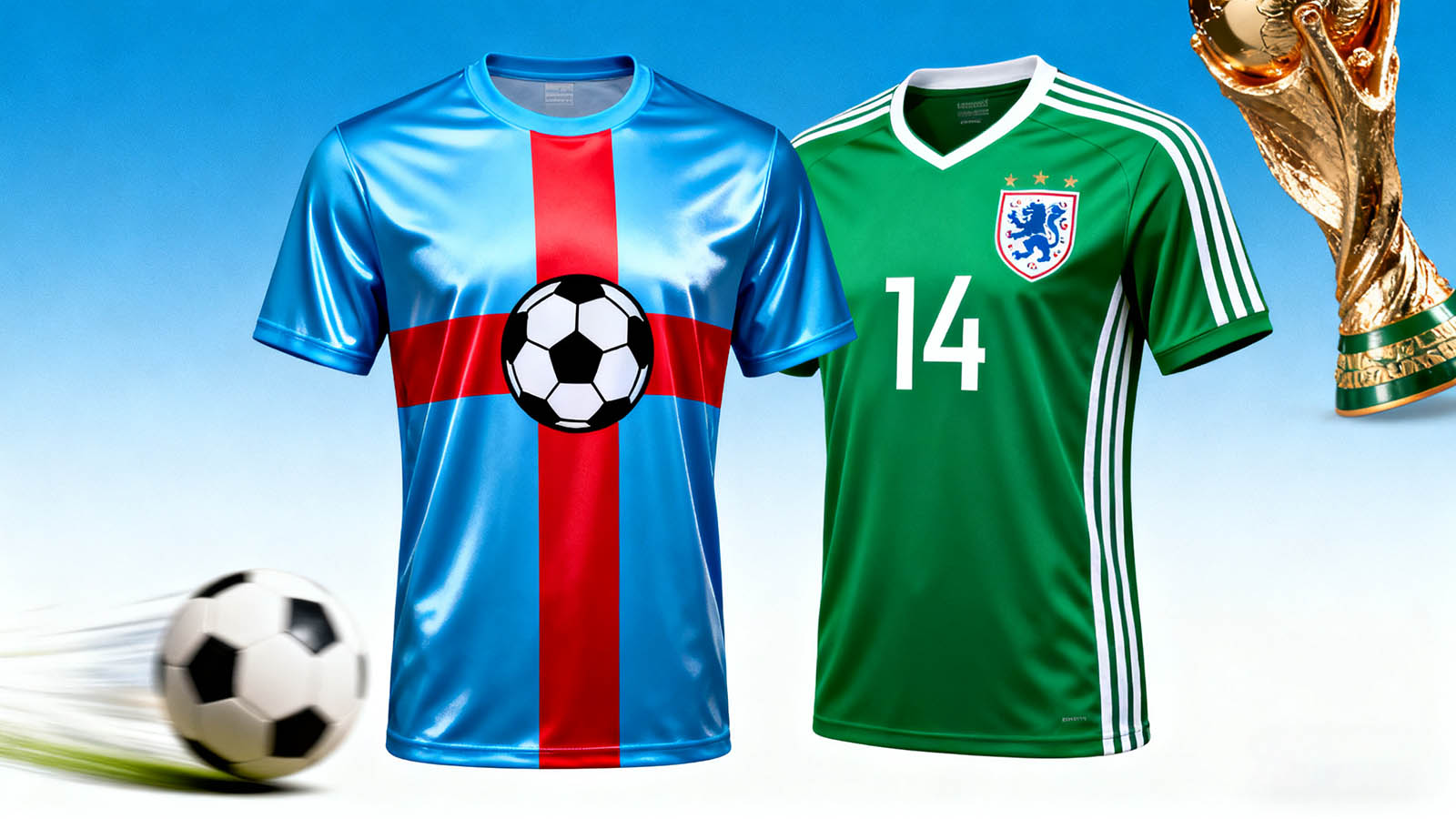
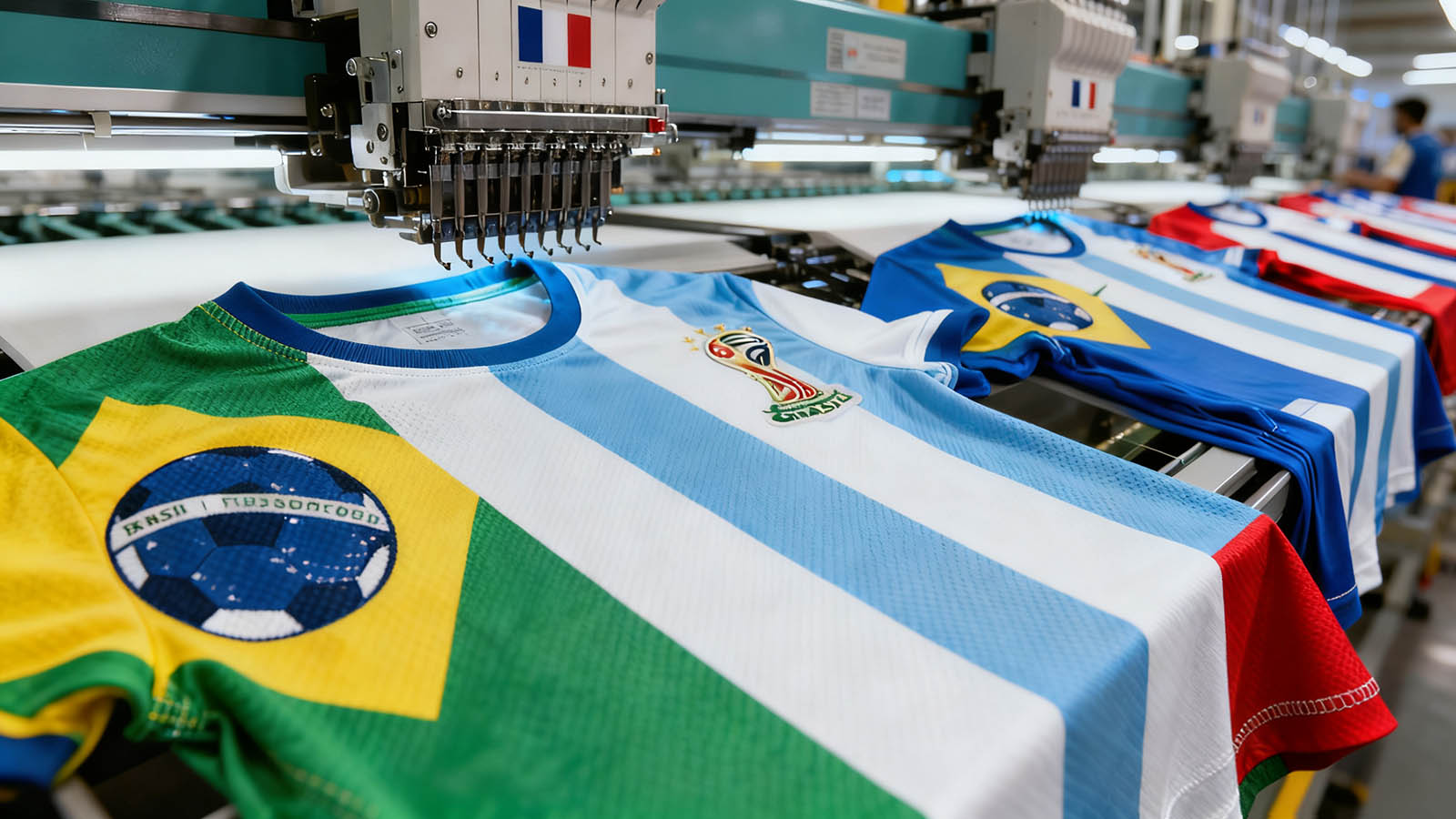
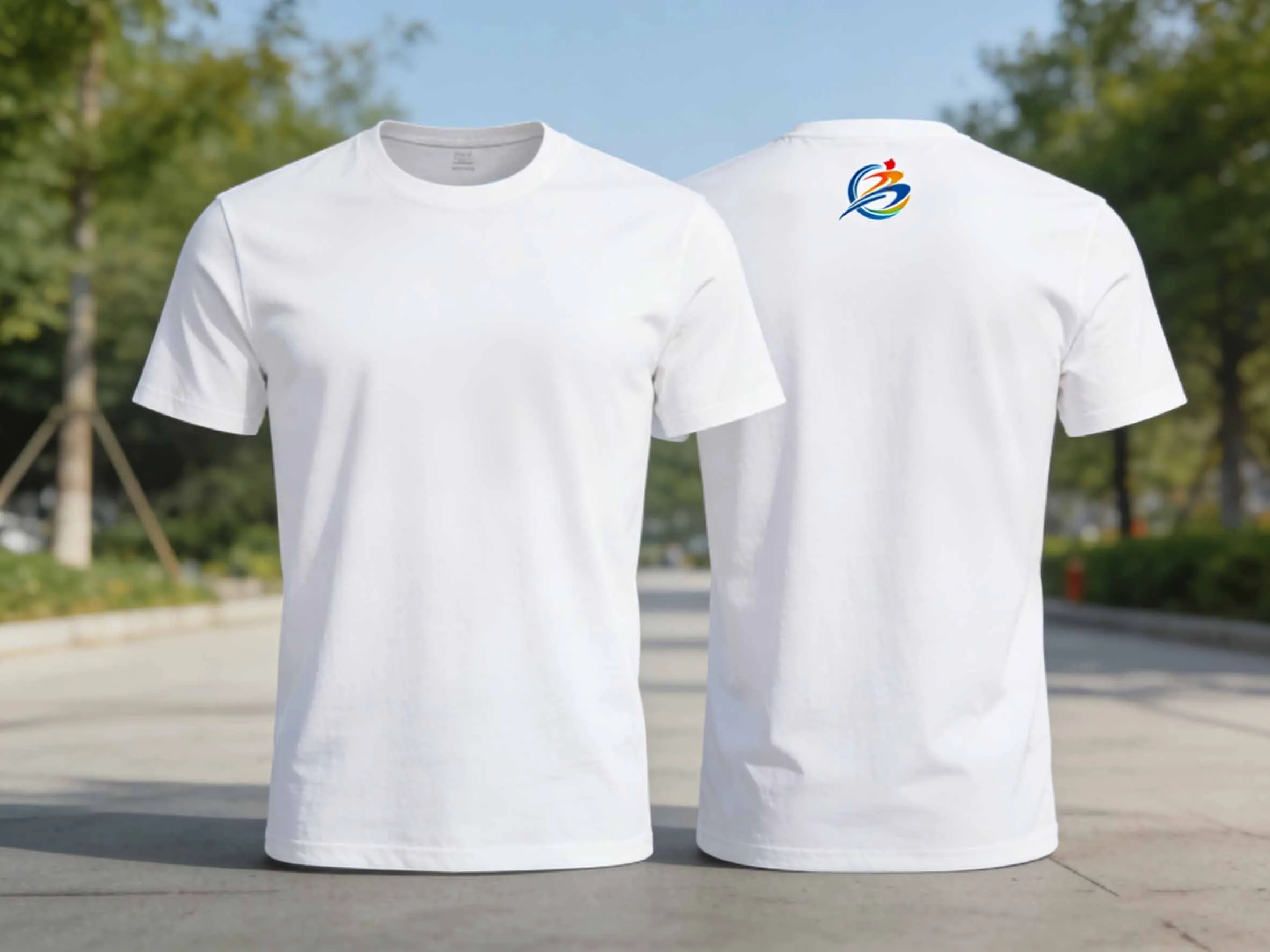
In the B2B procurement of custom event t-shirts, many event organizers fall into the procurement misconception of "prioritizing low prices" to control budgets, choosing custom manufacturers with prices far below the market average. However, they often find upon receiving the goods that these cheap custom t-shirts have problems such as rough fabric, peeling prints, distorted sizing, and fading after washing. Some even get damaged or stretched out of shape after a single wear.
This not only ruins the wearing experience for event staff and audiences but also degrades the overall brand image of the event, turning a seemingly "cost-saving" procurement into a losing proposition. As an industry benchmark with 31 years of expertise in textile customization, Gahumi has served top-tier events including the Olympic Games and Asian Games, and has witnessed countless event organizers incurring losses due to falling for low-cost custom traps. This article will deeply dissect the quality pitfalls of low-cost custom t-shirts, analyze the core reasons why "cheap tees fall apart after one wear", and combine Gahumi's high-quality custom standards to provide a pitfall-avoidance guide for B2B procurement by event organizers. It aims to make buyers understand that "low price ≠ high cost performance" and that choosing a high-quality custom manufacturer is the true way to save money.
The Underlying Logic of Low-Cost Customization: Cost Cutting Inevitably Sacrifices Quality
The cost of a custom t-shirt consists of multiple links including fabric, craftsmanship, labor, quality control, and after-sales service. A reasonable market price is a reflection of the reasonable costs of each link. The so-called "low prices" of low-cost custom manufacturers do not stem from technological upgrades or economies of scale, but from unscrupulous cost cutting across all links. The lack of cost directly leads to a collapse in quality. By comparing the industry cost structure with the operating models of low-cost manufacturers, Gahumi found that cost cutting in low-cost customization is mainly concentrated in three core links: fabric, raw materials, and production craftsmanship, which are the fundamental reasons for the poor quality of cheap t-shirts.
For B2B procurement by event organizers, the core demands for custom t-shirts are stable quality, batch adaptability, and alignment with event scenarios. Low-cost customization abandons all these core demands to cut costs, and the final delivered products are naturally unable to meet the usage requirements of events. More notably, some low-cost manufacturers also use the model of "attracting orders with low prices and adding extra fees later" to trick buyers—such as charging additional design fees, sampling fees, rush fees, etc. This makes buyers seem to save money in the early stage but pay more in the later stage, and even may cause event delays due to quality problems, resulting in irreparable losses.
6 Core Reasons Why Cheap T-Shirts Fall Apart After One Wear: Corner-Cutting at Every Step
Shoddy Fabric Substitution: Inferior Scrap Materials, Poor Touch, and Easy Damage
Fabric is the core carrier of a t-shirt and also the link with the highest proportion in custom costs. The primary tactic of low-cost manufacturers is to cut corners on fabric. Reputable manufacturers like Gahumi select high-quality virgin fiber fabrics that meet international environmental and quality standards, while low-cost manufacturers mostly use recycled scrap and inferior regenerated fibers to make fabrics. Such fabrics have numerous fatal flaws:
- Poor fiber toughness: Fabrics made from recycled scrap have short, easily broken fibers, leading to pilling, snags, and holes after a single wear, and even severe deformation and stretching after one wash;
- Rough and irritating touch: No brushing or softening treatment is applied, making the fabric surface stiff. It causes strong friction with the skin when worn, easily triggering itching and allergies, and is completely unable to meet the demand for long-term wear at events;
- Falsely marked gram weight: A fabric marked 180g is actually only 120g, thin as paper, transparent, and easy to tear. It has neither texture nor durability, and as an event commemorative t-shirt or staff uniform, it seriously degrades the event image;
- No environmental treatment: The fabric is not deodorized, color-fixed, or antibacterial treated, with a pungent odor and severe fading and dye bleeding after washing. It not only affects the wearing experience but may also violate environmental standards due to harmful substances such as formaldehyde and heavy metals, bringing compliance risks to event organizers.
In contrast, all of Gahumi's fabrics come from over 1,000 high-quality fabric suppliers, are made of virgin fibers, and cover a full range of types including pure cotton, polyester-cotton blend, and quick-dry. They have undergone multiple treatments such as preshrinking, color fixing, and softening, complying with international environmental standards such as REACH, ROHS, and California 65, ensuring fabric quality from the source.
Shoddy Printing Craftsmanship: Inferior Ink, Prints That Peel Off with a Tear and Fade After a Wash
Custom printing is a core link of event t-shirts—event IPs, logos, slogans, etc., all need to be presented on t-shirts through printing. The corner-cutting of low-cost manufacturers in the printing link directly makes prints the most problematic part, which is also a common reason why cheap t-shirts "fall apart after one wear":
- Use of inferior ink: The ink selected by low-cost manufacturers is mostly unbranded and unregulated, with poor adhesion and easy peeling. It can be torn off with a light pull and fades completely after one wash, blurring the event IP patterns and losing the meaning of customization;
- Simplified and perfunctory craftsmanship: Reputable manufacturers match exclusive craftsmanship to fabric characteristics—for example, Gahumi uses sublimation printing for quick-dry fabrics and screen printing for pure cotton fabrics. Low-cost manufacturers, however, use the simplest offset printing for all fabrics, which not only makes prints stiff and irritating to the skin but also extremely easy to peel off;
- No color fixing treatment: No high-temperature color fixing, water washing testing and other links are conducted after printing, resulting in extremely low bonding between prints and fabric. Even during wear, due to sweating and friction, prints may crack and peel off;
- Poor printing precision: Blurred pattern edges, ghosting, and color deviation greatly reduce the presentation effect of core IPs such as event emblems and mascots, seriously affecting the event's brand image.
Gahumi has more than 200 high-speed, low-consumption printing and embroidery machines, and masters more than 10 professional printing processes including heat transfer printing, sublimation printing, screen printing, silicone printing, and appliqué embroidery. All inks are high-quality and environmentally friendly, and after printing, products undergo 7 quality control inspections to ensure strong print adhesion, no peeling after multiple washes, and accurate reproduction of event IPs in patterns.
No Standards for Sizing and Cutting: Ill-Fitting, Easy to Deform, and Terrible Wearing Experience
A high-quality custom t-shirt cannot do without ergonomic sizing design and precise cutting. To save labor and material costs, low-cost manufacturers have no standards at all in the sizing and cutting link, leading to ill-fitting, easily deformable t-shirts that are even unwearable:
- One-size-fits-all sizing: No distinction between men's and women's styles, no size subdivision, and even one-size design. Everyone, regardless of height, weight, or body shape, wears the same style—either too tight to move or too loose with no shape at all. It is completely unsuitable for the wearing needs of event staff and athletes;
- Perfunctory cutting with huge errors: Manual rough cutting is adopted without precise size standards. For t-shirts of the same style, the error in shoulder width, garment length, and sleeve length can reach more than 5cm. Mass-customized products are uneven, affecting the overall visual effect of the event;
- No sizing optimization: No reinforcement design for collars, cuffs, and hems. Collars stretch out, cuffs turn up, and hems lengthen after a single wear, and they deform severely after washing, making them completely unwearable again.
Gahumi's sizing design team, combining ergonomic principles, has created a variety of exclusive sizes including athlete style, staff style, and audience style, supporting customization of 8 collar styles. Cutting adopts intelligent CNC equipment with an error controlled within 0.5cm. At the same time, collars and cuffs are reinforced with double stitching to ensure a neat, non-deformable shape, and mass-customized products are highly consistent.
Shoddy Sewing Craftsmanship: Loose Threads, Easy to Unravel, and Poor Quality in Details
Sewing craftsmanship is the "detail reflection" of t-shirt quality. Reputable manufacturers pay attention to the fineness and firmness of sewing, while low-cost manufacturers have extremely rough sewing craftsmanship to improve production efficiency and save labor costs, which is an important reason why t-shirts are easy to damage:
- Sparse stitching and uneven needlework: The normal stitching density of a t-shirt is 3-4 stitches per centimeter, while low-cost manufacturers only do 1-2 stitches per centimeter. The sparse stitching unravels with a little force, and side seams and shoulder seams split after a single wear;
- Ubiquitous loose threads with no finishing: No thread trimming or ironing is done after production. Loose threads are everywhere on the t-shirt, and the loose threads on collars, cuffs, and hems are several centimeters long. They not only affect the appearance but also are easy to snag, leading to fabric damage;
- No reinforced sewing: Key parts such as collars, shoulder seams, and side seams have no reinforced sewing. These parts bear the most force during wear and are extremely easy to unravel due to pulling, becoming a direct cause of t-shirts "falling apart after one wear";
- Inferior sewing materials: The thread used is inferior regenerated thread with poor toughness and easy breakage. Stitches break and seams unravel after one wash, making them irreparable.
Gahumi has more than 100 intelligent sewing machines, using high-quality pure cotton thread and polyester thread. The sewing stitch density is strictly controlled at 4 stitches per centimeter, and all key parts are reinforced with sewing. After production, multiple detail treatments such as thread trimming and ironing are conducted to ensure that the t-shirts have no loose threads, fine sewing, and high quality reflected in every detail.
Complete Lack of Quality Control: Defective Products Shipped Directly, No Quality Assurance
Quality control is the last line of defense to ensure the quality of custom t-shirts. Reputable manufacturers like Gahumi have established a strict quality control system to conduct full-process testing on each batch of products. Low-cost manufacturers, however, completely abandon the quality control link to cut costs, shipping defective products directly, leading to a large number of quality problems in the products received by buyers:
- No inbound inspection: Fabrics are put into production directly without quality, environmental, and color fastness testing after procurement, and the quality problems of the fabrics themselves are directly brought into the finished products;
- No in-process testing: No quality checks are conducted in cutting, sewing, printing and other links. Even if cutting errors, sewing unraveling, print peeling and other problems occur, production continues;
- No finished product outbound inspection: After the finished products are made, no appearance, size, firmness, water washing testing and other inspections are conducted. Defective and non-conforming products are packaged and shipped directly. Buyers only find a large number of quality problems in the products after receiving the goods;
- No after-sales quality control: For quality problems reported by buyers, they refuse to admit responsibility, pass the buck, or even lose contact directly, leaving event organizers with no way to complain and forcing them to bear the losses themselves.
Gahumi has established 7 strict quality control inspection procedures in line with Japanese standards. From fabric inbound, cutting, sewing, printing to finished product outbound, every link is fully inspected. At the same time, finished products undergo simulated use tests such as water washing, stretching, and friction to ensure zero-quality-problem delivery. For problems arising after sales, a 24-hour comprehensive service is provided with rapid response and timely solutions.
Shoddy Accessories: Collar Ribs, Hang Tags and Other Fittings, Easy to Damage and Without Texture
The quality of a custom t-shirt is reflected not only in fabric and craftsmanship but also in accessories such as collar ribs, hang tags, buttons, and packaging bags. Although the corner-cutting of low-cost manufacturers on accessories seems trivial, it directly affects the durability and overall texture of the t-shirt:
- Inferior collar ribs: Thin, soft, inelastic inferior ribs are used, leading to stretched and deformed collars after a single wear that cannot recover—this is the most common problem with cheap t-shirts;
- Inferior hang tags and care labels: Hang tags are made of thin paper and easy to tear. Care labels have no material description or washing instructions at all, and even have blurred printing, failing to meet product compliance standards;
- Shoddy packaging bags: Inferior plastic bags as thin as paper are used, which are extremely easy to damage during transportation, leading to contamination and snags of t-shirts and affecting the product appearance;
- No custom accessories at all: Custom hang tags, care labels, and packaging bags required by event organizers are either shoddily made perfunctorily or subject to extra charges, completely failing to meet custom demands.
All of Gahumi's accessories are high-quality products. Collar ribs use high-elastic, thickened high-quality ribs to ensure neat, non-deformable collars. At the same time, it supports full-dimensional packaging customization including hang tags, care labels, and packaging bags, customizing exclusive event accessories according to the needs of event organizers to enhance the overall texture of products and event recognition.
Hidden Losses of Low-Cost Customization: Far More Terrible Than the Budget Saved
For B2B procurement by event organizers, choosing low-cost customization seems to save the immediate procurement budget, but in fact brings a series of hidden losses. The cost of these losses is far more terrible than the budget saved, and may even affect the smooth holding and brand image of the event. Combining the experience of serving thousands of events, Gahumi summarizes the four core hidden losses brought by low-cost customization, allowing buyers to recognize the true cost of low-cost customization.
Damaged Brand Image: Inferior T-Shirts Degrade the Overall Grade of the Event
Event t-shirts are the concrete carrier of event IPs. Whether it is the workwear of staff, the competition uniforms of athletes, or the commemorative styles for audiences, they are all a direct reflection of the event's brand image. An inferior t-shirt with rough fabric, peeling prints, and distorted sizing will make participants question the professionalism of the event, thinking the event is "unofficial and low-grade", directly degrading the overall brand image of the event and even affecting the event's sponsorship and subsequent holding.
High-quality custom t-shirts, such as those customized by Gahumi for the Olympic Games and Asian Games, not only offer an excellent wearing experience but also accurately reproduce event IPs, becoming the "mobile business cards" of the event, enhancing the professionalism and brand influence of the event, and bringing a positive effect on event sponsorship and brand communication.
Terrible Wearing Experience, Triggering Dissatisfaction Among Participants
The users of event t-shirts cover many groups including athletes, staff, volunteers, and audiences. Inferior t-shirts have an extremely poor wearing experience—rough, skin-irritating, and easy to damage fabric, peeling and fading prints, ill-fitting and easily deformable sizing will arouse strong dissatisfaction among participants and even trigger complaints, affecting the on-site experience and reputation of the event.
In particular, event staff and volunteers need to wear custom t-shirts for work for a long time. The discomfort of inferior t-shirts will directly affect work efficiency. If the athletes' competition uniforms have quality problems, it may even affect their sports performance, bringing unnecessary trouble to the event.
High After-Sales Costs, Even Event Delays
Due to the lack of quality control and after-sales service, low-cost custom manufacturers often deliver products with a large number of quality problems to buyers. At this time, event organizers face two choices: one is to make do with the products, triggering dissatisfaction among participants; the other is to re-customize, which requires paying additional procurement costs, and due to rush production, also high rush fees. At the same time, event delays may occur due to production cycle issues, resulting in irreparable losses.
Choosing a high-quality custom manufacturer like Gahumi ensures zero-quality-problem delivery and 24-hour comprehensive after-sales service. Even if a small number of problems occur, they can be responded to quickly and solved in a timely manner, with no additional after-sales costs to bear and no impact on the holding of the event.
Compliance Risks: Inferior Fabrics Violate Environmental Standards, Triggering Legal Problems
The fabrics of low-cost custom t-shirts are mostly inferior fabrics without environmental treatment, containing harmful substances such as formaldehyde, heavy metals, and aromatic amines, violating international environmental standards such as REACH, ROHS, and California 65, and also failing to comply with China's Product Quality Law. If event t-shirts flow into the market and are detected to be environmentally non-compliant, event organizers will face legal problems such as fines and rectification, and may even be exposed by the media, triggering a brand crisis.
All of Gahumi's fabrics and products have passed a number of authoritative certifications such as ISO9001, BSCI, and GRS, complying with international environmental and quality standards with full-chain ecological compliance, making the procurement of event organizers free of any compliance risks.
Gahumi: 31 Years of High-Quality Customization, Rejecting Low-Cost Traps, Creating True High Cost Performance
In the B2B procurement of event t-shirts, high cost performance ≠ low price. True high cost performance means "stable quality, reasonable price, perfect service, and guaranteed after-sales". Founded in 1994, Gahumi has been deeply engaged in textile customization for 31 years, always adhering to the concept of "quality first", and rejecting unscrupulous cost cutting. Through economies of scale, technological upgrades, and factory direct sales, it achieves true high cost performance of "high quality + reasonable price", becoming the preferred partner of top-tier events such as the Olympic Games and Asian Games. It helps event organizers avoid low-cost custom traps and provides one-stop high-quality custom solutions.
Factory Direct Sales from the Source, No Intermediate Links, Reasonable and Transparent Prices
Gahumi has 3 self-owned production bases, being a true source custom manufacturer with no middlemen to make price differences. Adopting a factory direct sales model, it passes on cost benefits to buyers, with custom prices 30% lower than the market average. This low price, however, stems from economies of scale and cost optimization, not quality sacrifice.
At the same time, Gahumi's pricing is completely transparent with no hidden charges. Design, sampling, after-sales service and others are all free, and there will be no situation of "attracting orders with low prices and adding extra fees later", making the procurement budget of event organizers controllable and transparent.
Full-Link High-Quality Control, Zero Quality Problems from Fabric to After-Sales
Gahumi has established a full-link high-quality control system from fabric procurement to after-sales service to ensure the quality of every custom t-shirt:
- Fabric link: Over 1,000 high-quality fabric suppliers, virgin fiber fabrics, multiple environmental and quality treatments, complying with international standards;
- Production link: More than 200 printing and embroidery machines, more than 100 intelligent sewing machines, professional craftsmanship matching, and fine cutting and sewing;
- Quality control link: 7 Japanese standard quality control inspections, full-process testing, simulated use testing, and zero-quality-problem outbound;
- After-sales link: A professional customer service team of more than 100 people, providing 24-hour comprehensive service with 1-hour rapid response to solve all problems in a timely manner.
Small-Batch Customization + Large-Batch Delivery, Adapting to All Event Procurement Needs
Gahumi's custom service balances flexibility and scalability, with a minimum order quantity of only 30 pieces, able to meet the needs of event organizers for small-batch trial production and hierarchical design. At the same time, it has more than 30 professional production lines with a monthly output capacity of 6 million pieces, easily meeting the large-batch custom needs of large-scale events and ensuring on-time delivery at event nodes.
In addition, Gahumi's more than 10 professional sampling teams can realize same-day sampling, allowing event organizers to confirm samples quickly, saving design and communication time and improving procurement efficiency.
Full-Dimensional Custom Services, One-Stop Solution from Design to Packaging
Gahumi provides full-dimensional one-stop custom services from design to packaging for event organizers, solving all procurement needs:
- Free design & layout service: A professional design team optimizes the visual effect of event IPs, selects fabrics, and designs sizing with zero additional design costs;
- Full-category customization: Supporting full-dimensional customization of fabric, printing, sizing, collar, numbering, packaging, etc., accurately matching event needs;
- Professional selection guidance: Providing one-on-one guidance on fabric, craftsmanship, and sizing selection for buyers according to event type, scenario, and crowd;
- Custom accessory service: Supporting exclusive customization of accessories such as hang tags, care labels, and packaging bags to enhance the overall texture of event products.
About Gahumi
The customization of event t-shirts is not only a procurement act but also a process of building the event's brand image. The pitfalls of low-cost customization seem to save the immediate budget, but in fact bring a series of hidden losses such as damaged brand image, poor experience, high after-sales costs, and compliance risks. With 31 years of deep engagement in high-quality textile customization, Gahumi relies on factory-direct reasonable prices, full-link quality control, one-stop custom services, and perfect after-sales guarantee to help event organizers avoid low-cost traps and create truly high-cost-performance custom event t-shirts. Choosing Gahumi is choosing quality, choosing peace of mind, and choosing to make event t-shirts the "mobile business cards" of the event, helping the event achieve a dual upgrade of brand and experience.
FAQ
Q: Gahumi's custom t-shirt prices are 30% lower than the market average—will this sacrifice product quality?
A: No. Gahumi's low prices stem from the factory direct sales model of 3 self-owned production bases with no middlemen to make price differences. At the same time, it realizes cost optimization relying on 31 years of economies of scale and technological upgrades, rather than sacrificing the quality of fabric, craftsmanship, quality control and other links. All products pass 7 strict quality control inspections to ensure high quality.
Q: How does Gahumi ensure the environmental protection and compliance of custom t-shirts to avoid legal risks?
A: All of Gahumi's fabrics come from over 1,000 high-quality suppliers, having undergone deodorization, color fixing, and environmental treatment, complying with international environmental standards such as REACH, ROHS, and California 65. At the same time, products have a number of authoritative certifications such as ISO9001, BSCI, and GRS with full-chain ecological compliance, making buyers free of any environmental and legal risks.
Q: For event custom t-shirts, can Gahumi provide sample testing, and is a sample fee required?
A: Yes. Gahumi provides free fabric samples, craft samples, and finished product samples for all event organizers with no sample fees required. Buyers can conduct comprehensive tests such as touch, wearing, water washing, and stretching, and confirm the customization plan after verifying the quality.
Q: What is the minimum order quantity for Gahumi's custom t-shirts, and can it meet the large-batch delivery needs of large-scale events?
A: The minimum order quantity for Gahumi's custom t-shirts is only 30 pieces, able to meet the needs of small-batch trial production. At the same time, it has 3 production bases and more than 30 professional production lines with a monthly output capacity of 6 million pieces, easily meeting the large-batch custom needs of large-scale events such as the Olympic Games and Asian Games, and ensuring on-time delivery at event nodes.
Q: What does Gahumi's custom service include, and are there any hidden charges?
A: Gahumi provides one-stop custom services from design, sampling, production to delivery and after-sales, including free design & layout, free sampling, free selection guidance, 24-hour after-sales service, etc. There are no hidden charges, the pricing is completely transparent, and all fees are clearly marked in the contract.
Q: If a small number of quality problems are found in Gahumi's custom t-shirts after receiving them, how to solve them?
A: Gahumi has a professional customer service team of more than 100 people, providing 24-hour comprehensive service. If buyers find quality problems, they can contact the customer service at any time for a 1-hour rapid response. According to the situation of the problem, solutions such as return and exchange, reissue, and repair are provided to ensure that the rights and interests of buyers are not damaged.
Q: Can Gahumi conduct full-dimensional customization according to the personalized needs of the event?
A: Yes. Gahumi supports full-dimensional customization of fabric, printing, sizing, collar styles, digital numbering, packaging accessories, etc., with more than 10 printing processes, 8 collar styles, and more than 10 exclusive fabrics. It can accurately match personalized needs according to the event type, scenario, and crowd to create exclusive event t-shirts.
Q: Compared with low-cost custom manufacturers, what costs can event organizers save by choosing Gahumi's high-quality customization?
A: Choosing Gahumi can save buyers after-sales costs (no quality problems, no need for additional return and exchange or re-customization), time costs (same-day sampling, rapid delivery, efficient service), and compliance costs (no environmental and legal risks, avoiding fines and rectification). At the same time, high-quality t-shirts can enhance the event's brand image and bring additional value in sponsorship and communication, which is incomparable with low-cost customization.
Q: Which large-scale events has Gahumi served, and can it provide reference for event custom cases?
A: Gahumi is the official textile custom partner of international top-tier sports events such as the Olympic Games and Asian Games, and has also served thousands of urban marathons, professional leagues, cultural events at home and abroad. According to the needs of event organizers, it can provide custom cases, product samples and design references for the same type of events.

.webp)
.jpg)
.jpg)
.jpg)
.jpg)
.jpg)

.jpg)